Tom Krattenmaker
Educated by the stars
June 26, 2025

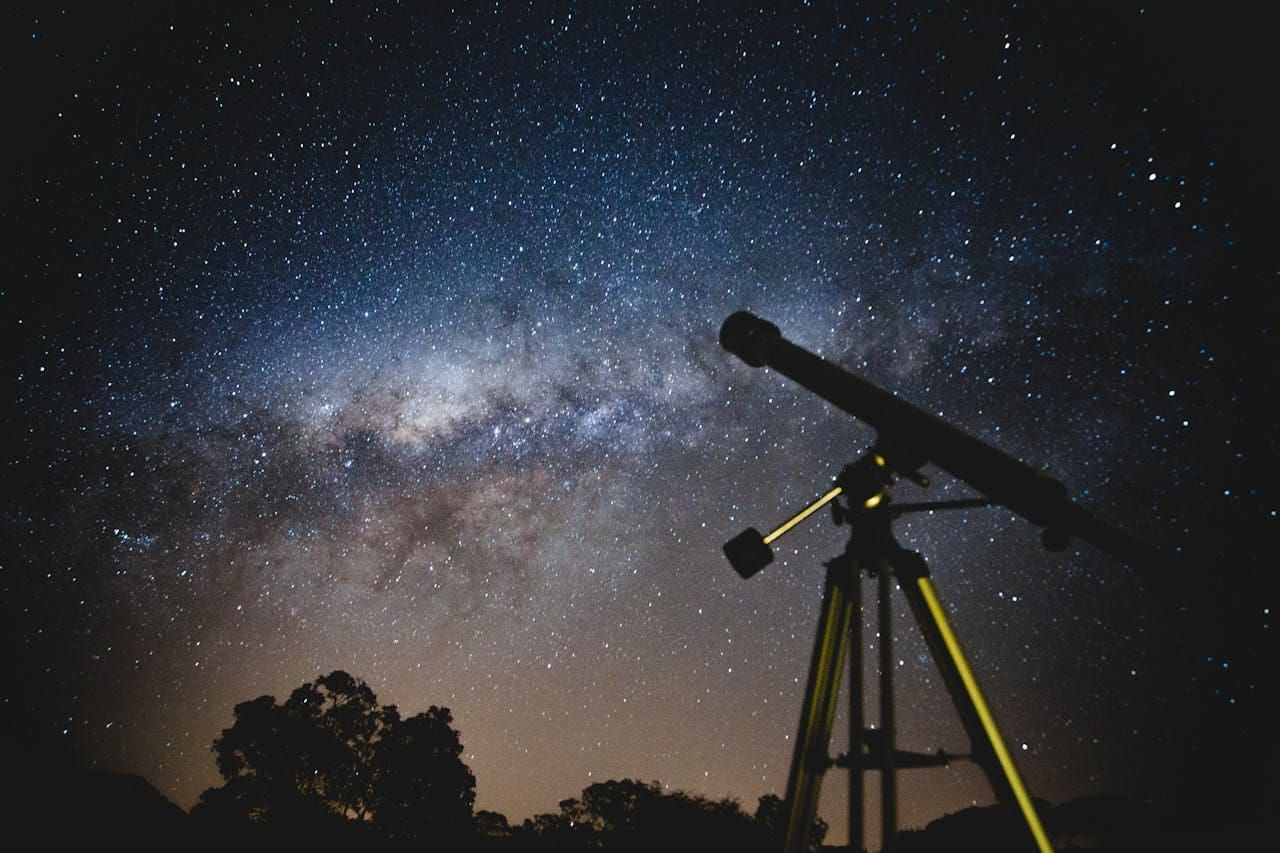
Science education can—and should—instill kids with a sense of awe and wonder at the world.
Science in general and astronomy in particular can come alive for students—and for people of all ages—if taught as a grand saga, and with interdisciplinary approaches that make the 100-percent-valid connections with other fields such as art, literature, philosophy, religion, and environmental studies.
So argued the late cultural historian Thomas Berry. It was Berry who laid the philosophical and poetic groundwork for the encouraging work that’s getting underway these days through efforts like the Journey of the Universe project, the aforementioned Deeptime Network, and Big Think, as well as scientists with a gift for public engagement like Brian Swimme, Sean Carroll, and Brian Cox.
Science education can—and should—instill kids with a sense of awe and wonder at the world.
Science in general and astronomy in particular can come alive for students—and for people of all ages—if taught as a grand saga, and with interdisciplinary approaches that make the 100-percent-valid connections with other fields such as art, literature, philosophy, religion, and environmental studies.
So argued the late cultural historian Thomas Berry. It was Berry who laid the philosophical and poetic groundwork for the encouraging work that’s getting underway these days through efforts like the Journey of the Universe project, the aforementioned Deeptime Network, and Big Think, as well as scientists with a gift for public engagement like Brian Swimme, Sean Carroll, and Brian Cox.
Educated by the stars
Recent Articles
Children of the Universe Project

Where Have We Come From; Where Are We Going?

Educated by the stars

The Powers of the Universe


.svg)
